
Sitemize hoşgeldiniz.
Tarih: 02-10-2026
Saat: 05:30
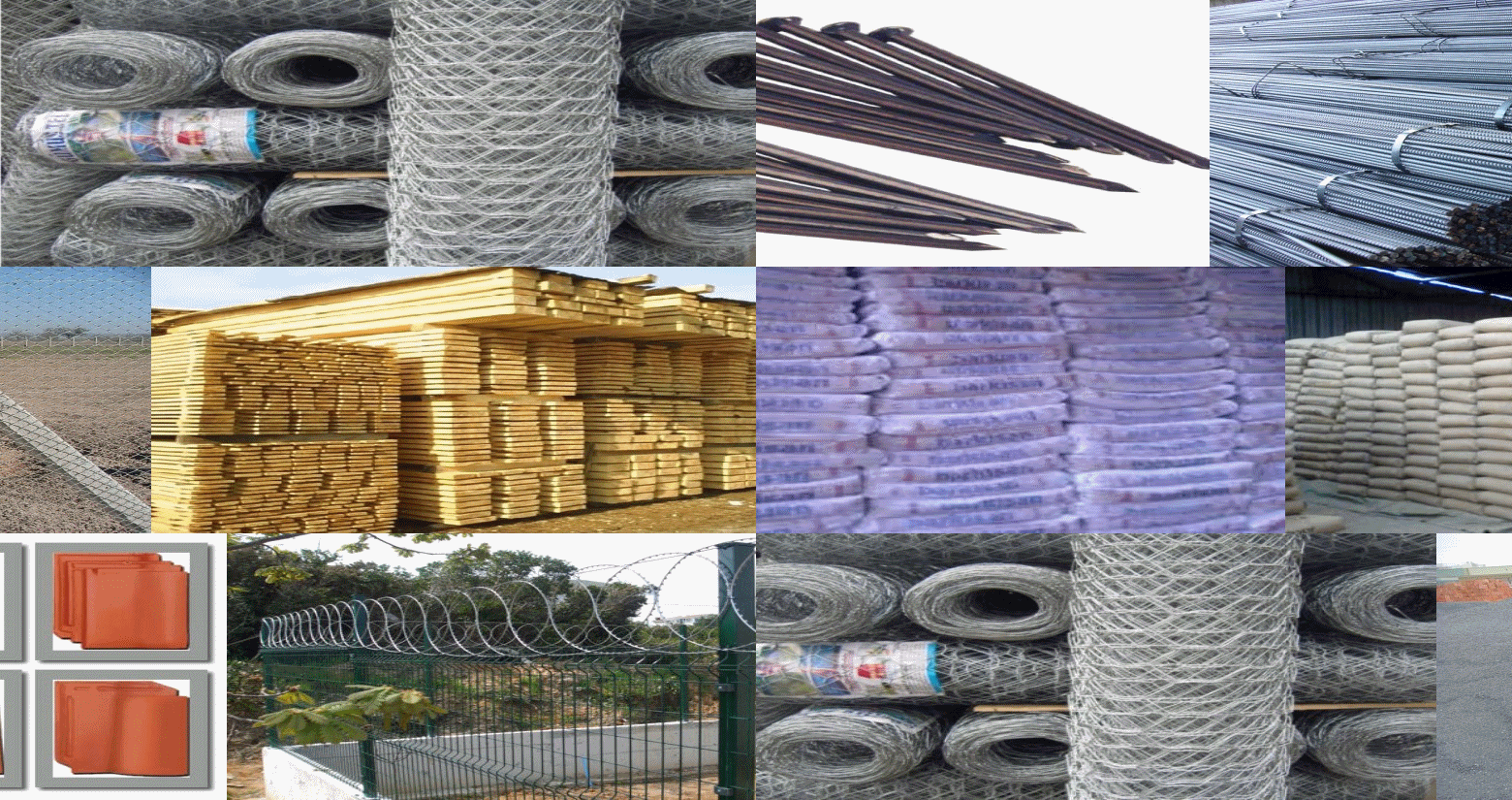
Gönenbaba İnşaat Malzemeleri Sanayi ve Ticaret LTD. ŞTİ. Yerköy/YozgatGönenBaba Ticaret, Odun, Kömür, Demir, Çimento, Kireç, Tuğla, Kiremit, Galvanizli Tel, Beton Direk, Kum ve Çakıl satışlarımız başlamıştır. |

Üye Panelİ
Anket
GÖNENBABA TİCARET

KATEGORİLER
TAKVİM
| P | S | Ç | P | C | C | P |
|---|---|---|---|---|---|---|
| « Oca | ||||||
| 1 | ||||||
| 2 | 3 | 4 | 5 | 6 | 7 | 8 |
| 9 | 10 | 11 | 12 | 13 | 14 | 15 |
| 16 | 17 | 18 | 19 | 20 | 21 | 22 |
| 23 | 24 | 25 | 26 | 27 | 28 | |
POPÜler YAZILAR
SON YORUMLAR
Yazar: gonenbaba
 Tarih: 4 Mart 2025 / 0:55
Etiketler:
Tarih: 4 Mart 2025 / 0:55
Etiketler:
Throughout history, religious architecture has served as a physical manifestation of spiritual beliefs, cultural identity, and sociopolitical power. Among the most iconic and architecturally intricate examples is the ancient Egyptian temple — a monument not merely to divinity but to the profound understanding of space, symbolism, and aesthetics. This article explores the nuanced artistry behind the temple interior background design, highlighting how ancient Egyptian interior elements continue to influence modern interpretations of sacred interiors.
Understanding the Context of Ancient Egyptian Sacred Interiors
Ancient Egyptian temples were meticulously designed to facilitate religious rituals and(float) embody cosmic principles. The interior spaces often combined functionality with symbolic decor, reflecting a worldview rooted in harmony, order (ma’at), and divine authority. Unlike the grandeur of their outer facades, the temple interiors—ranging from hypostyle halls to sanctuaries—were designed with deliberate detail, serving both as physical spaces for worship and as metaphors of spiritual ascent.
Key Elements of Temple Interior Background Design
The temple interior background design in ancient Egypt was composed of several interconnected elements, each imbued with symbolic significance:
- Hieroglyphic Wall Reliefs: These carved or painted inscriptions narrated divine myths, royal achievements, and offerings. Their placement along walls created a narrative backdrop that reinforced spiritual themes.
- The Use of Color: Vibrant hues like gold, blue, green, and red were not aesthetic choices alone but conveyed meaning—blue symbolized fertility and rebirth; gold represented the eternal divine light.
- Column and Pillar Design: Columns were often stylized with lotus, papyrus, or papyrus buds, integrating natural symbols into the structural design, serving as both support and spiritual motifs.
- Lighting and Shadow Play: Interior lighting was carefully planned through small windows or oil lamps, creating shifting shadows that emphasized depth and sacred mystery.
The Significance of Wall Backgrounds in Ritual Practice
The temple’s background decor was not static; it played an active role in ritual activity. For example, the hypostyle hall often employed dense relief work to visually transport the worshipper into a mythic realm. The intricate temple interior background design created an environment where the divine presence was both felt and visualized, enhancing the ritual’s spiritual impact and fostering a sense of transcendence.
Modern Reflections and Inspirations
Today, the principles behind Egyptian temple interior design influence contemporary sacred architecture and interior decoration. Designers draw inspiration from their use of symbolism, spatial hierarchy, and vibrant color palettes. For instance, modern interpretations of “temple interior background design” often incorporate layered textures and narrative art, aiming to evoke a sense of reverence and timelessness.
In-depth example: A recent project might incorporate hieroglyphic-inspired mosaics as a backdrop for meditation rooms, blending ancient motifs with modern materials to create environments that spiritually inspire and visually captivate.
For a detailed examination of how ancient design principles can inform contemporary sacred spaces, see the expert analysis of temple interior background design.
Conclusion: Bridging Past and Present Through Sacred Interior Design
The study of ancient Egyptian temple interior background design reveals a sophisticated understanding of space as a spiritual tool. Their masterful incorporation of symbolism, colour, and narrative serves not only as aesthetic innovation but as a reflection of a worldview that seeks harmony between the physical and spiritual realms. As modern architects and designers continue to seek meaningful spaces, revisiting these ancient principles offers inspiration grounded in timeless wisdom.
| Feature | Ancient Egyptian Temple | Modern Sacred Space |
|---|---|---|
| Symbolism | Hieroglyphs and mythic motifs | Narrative art and symbolic colour schemes |
| Materials | Stone, paint, faience | Mixed media, mosaics, digital projection |
| Lighting | Oil lamps, small windows | LED, natural light integration |
| Purpose | Rituals, offerings, divine communication | Meditation, reflection, community gathering |
In sum, the ancient temple interior background design remains a profound source of inspiration, encapsulating spiritual ideals through artistic mastery and spatial innovation. Its principles continue to resonate, guiding the development of spaces that seek to transcend the mundane and connect the human soul with the divine.
Oppss! Hiç yorum yapılmamış!
İlk yorumu neden sen yapmıyorsun?
İlk yorumu neden sen yapmıyorsun?
YORUM YAP
GönenBaba Ticaret : İnşaat Mazeleri, Bağçe Mazemeleri, Kışlık Mazemeler,
Odun, Kömür, Demir, Çimento, Kum, Çakıl, Kireç Tuğla, Kiremit, Çivi, Direk
ve Kendi üretimi olan GALVANİZLİ TEL ile siz Hemşerilerimize hizmet
vermekdedir. YERKÖY/YOZGAT
Gönenbaba İnşaat Malzemeleri Sanayi ve Ticaret LTD. ŞTİ. Yerköy/Yozgat
Bütün hakları saklıdır.
Bütün hakları saklıdır.
